How Corrective Chiropractic Helps Prevent Future Degeneration
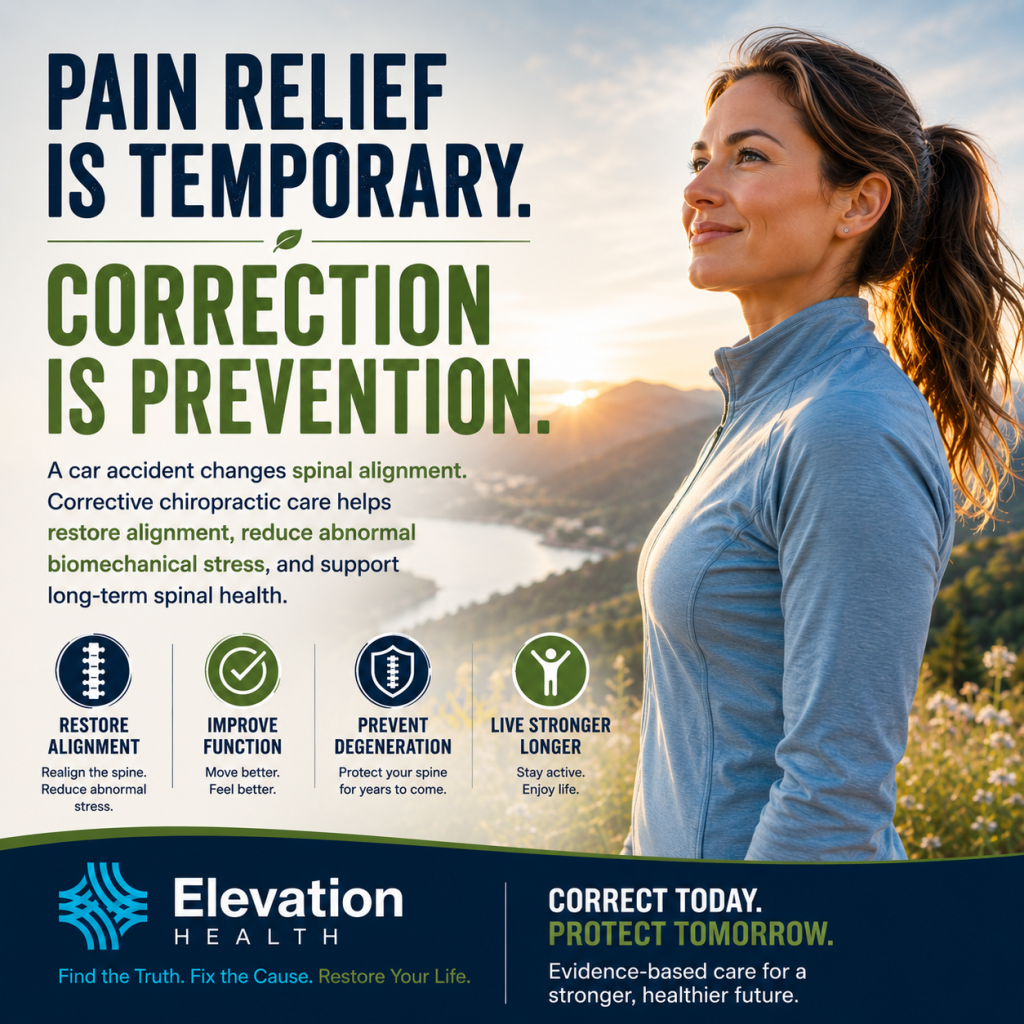
Corrective Chiropractic Helps Prevent Future Degeneration by improving spinal alignment and reducing abnormal biomechanical stress after a car accident.
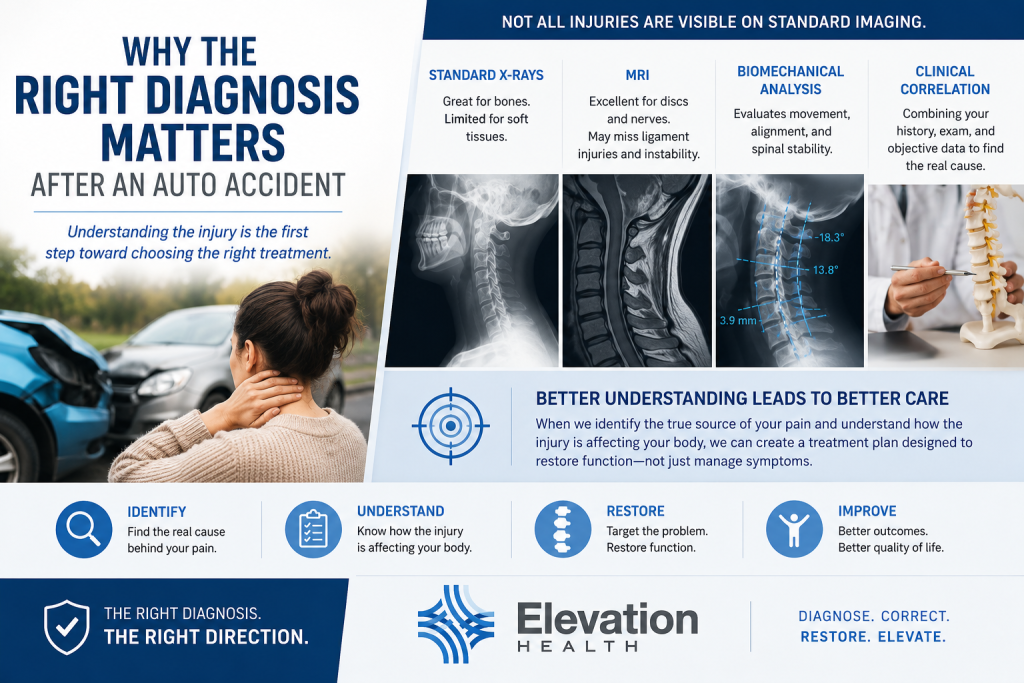
Understanding the injury is the first step toward choosing the right treatment. Learn why symptoms, physical examination, and diagnostic imaging all contribute to an accurate diagnosis after a collision.
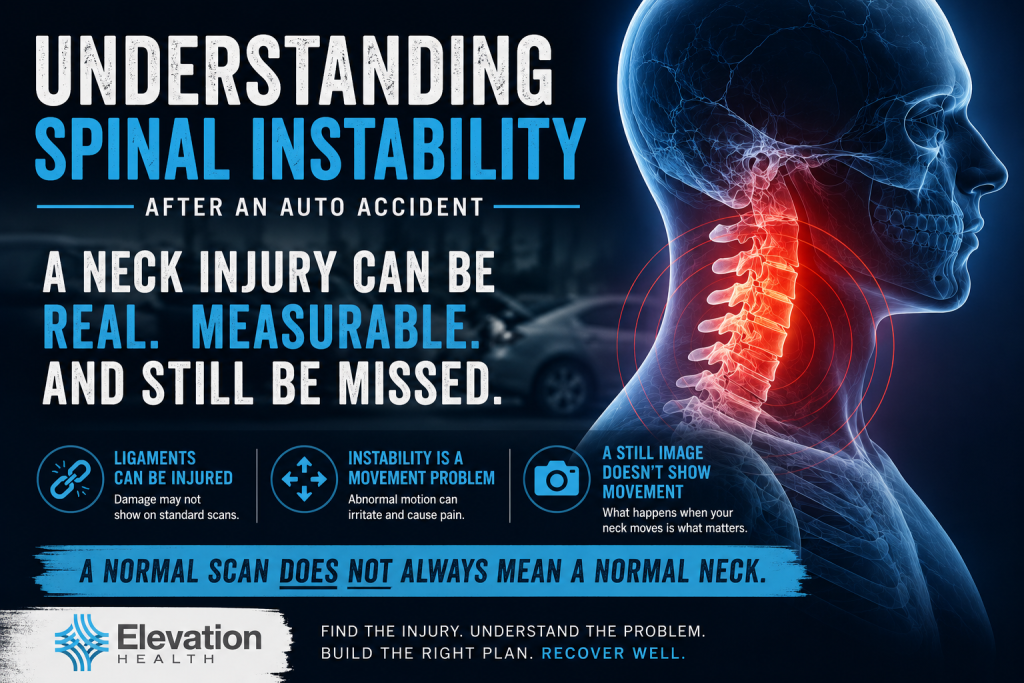
Can a serious neck injury be missed even when your MRI is normal? Learn how spinal instability occurs after an auto accident and why movement—not just imaging—matters.
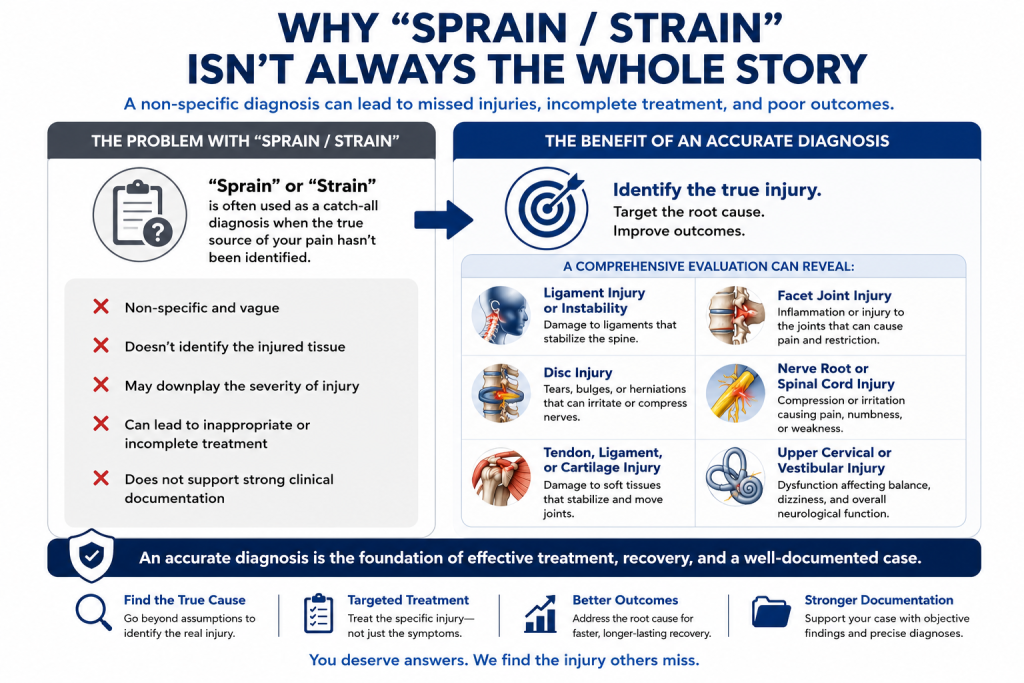
Learn why broad diagnoses like sprain, strain, and whiplash may not fully describe injuries after a car accident, and why accurate diagnosis matters for treatment and recovery.
Empowering patients through evidence-informed injury education, diagnosis, and recovery.
Car accident injury education can help patients better understand what happens to the body during a collision, why symptoms may develop or persist, and how injuries are properly evaluated and treated. At Elevation Health, our goal is to help patients understand their injuries, the diagnostic process, available treatment options, and the factors that can influence long-term recovery.
Explore our evidence-informed articles designed to help you better understand common car accident injury education, diagnosis, and recovery.
Corrective Chiropractic Helps Prevent Future Degeneration by improving spinal alignment and reducing abnormal biomechanical stress after a car accident.
Why “Sprain” and “Strain” Don’t Tell the Whole Story Sprain vs strain after a car accident can be useful diagnostic terms, but these broad labels may not tell the whole…
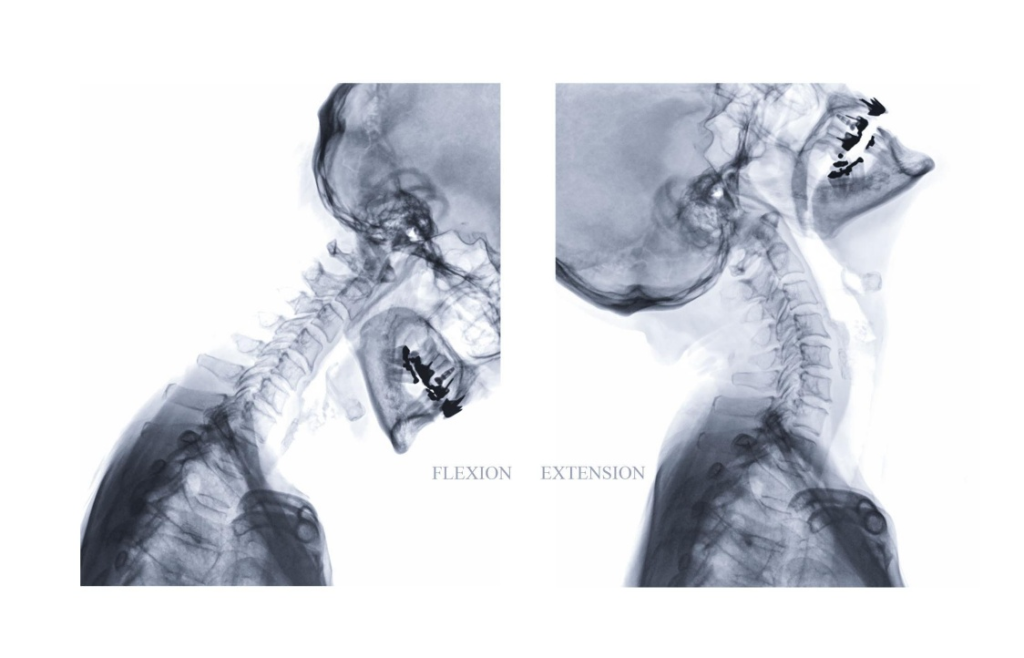
Figure 1. Spinal instability is a movement disorder caused by ligament injury that often cannot be detected on static imaging alone. Objective evaluation, including digital X-rays and biomechanical assessment, can…
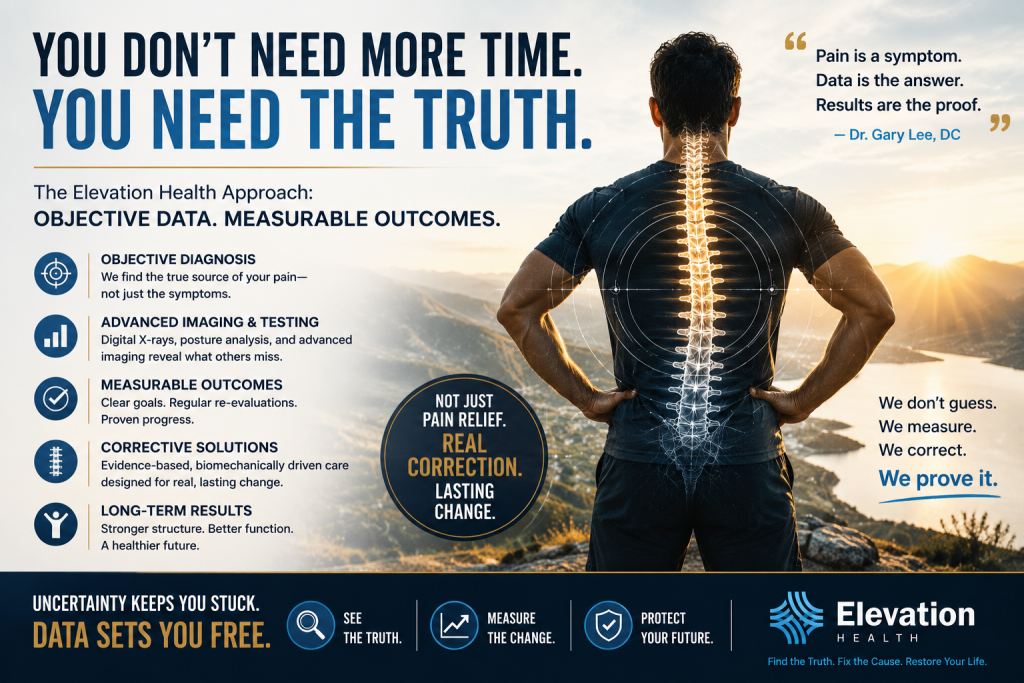
Evidence-Based Chiropractic Care uses objective data and measurable outcomes to replace guesswork with informed treatment decisions.
Why Spinal Instability Goes Missed Without Proper Imaging Spinal instability is one of the most commonly missed causes of chronic pain, especially in patients who have been injured in a…
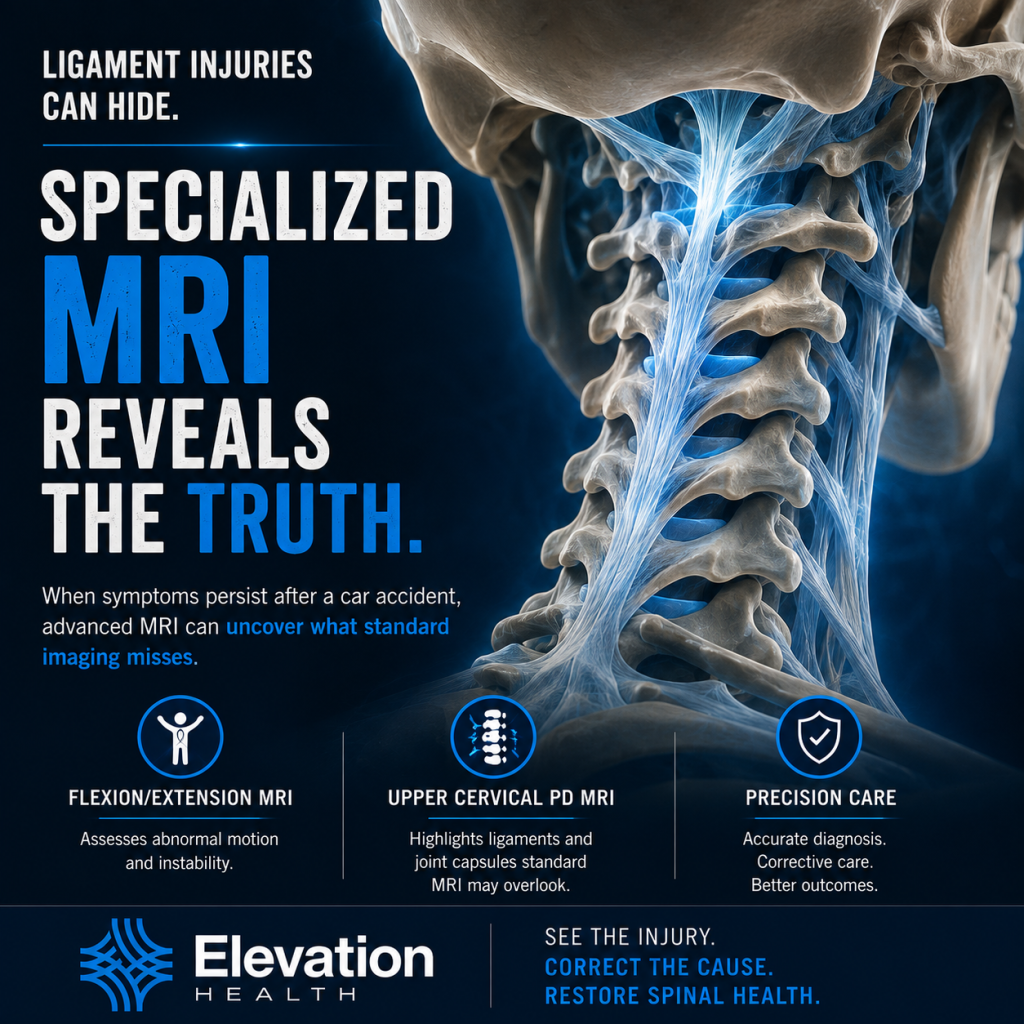
Specialized MRI can help identify cervical ligament injuries, abnormal motion, and spinal instability that may be missed on standard imaging after a car accident.
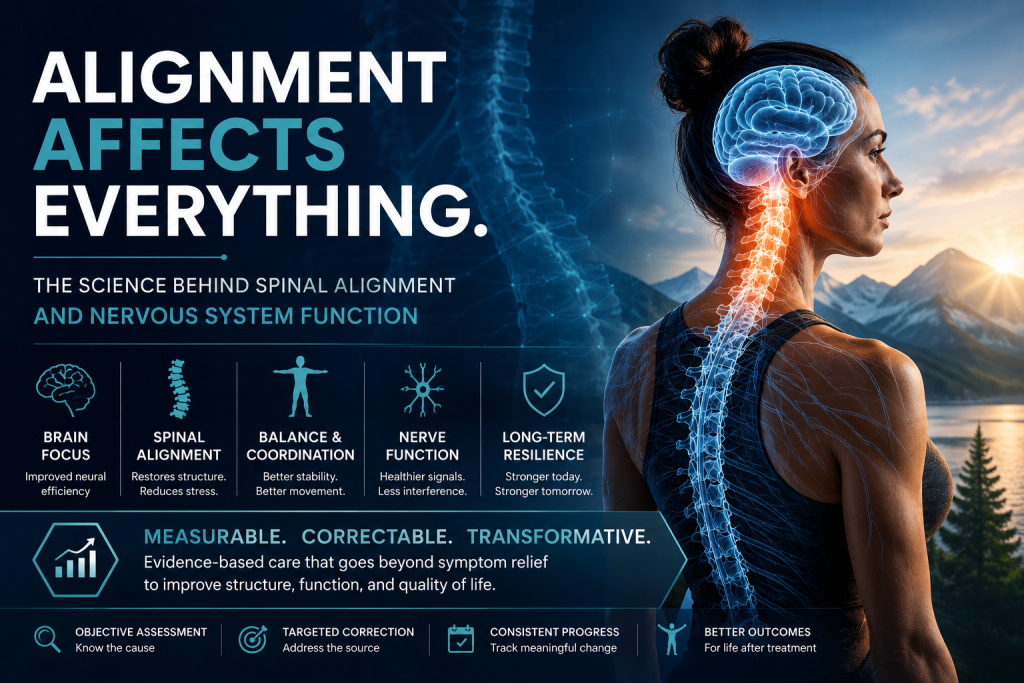
The Science Behind Spinal Alignment and Nervous System Function The spine does more than support the body—it protects and influences the nervous system, which controls every movement, sensation, and internal…
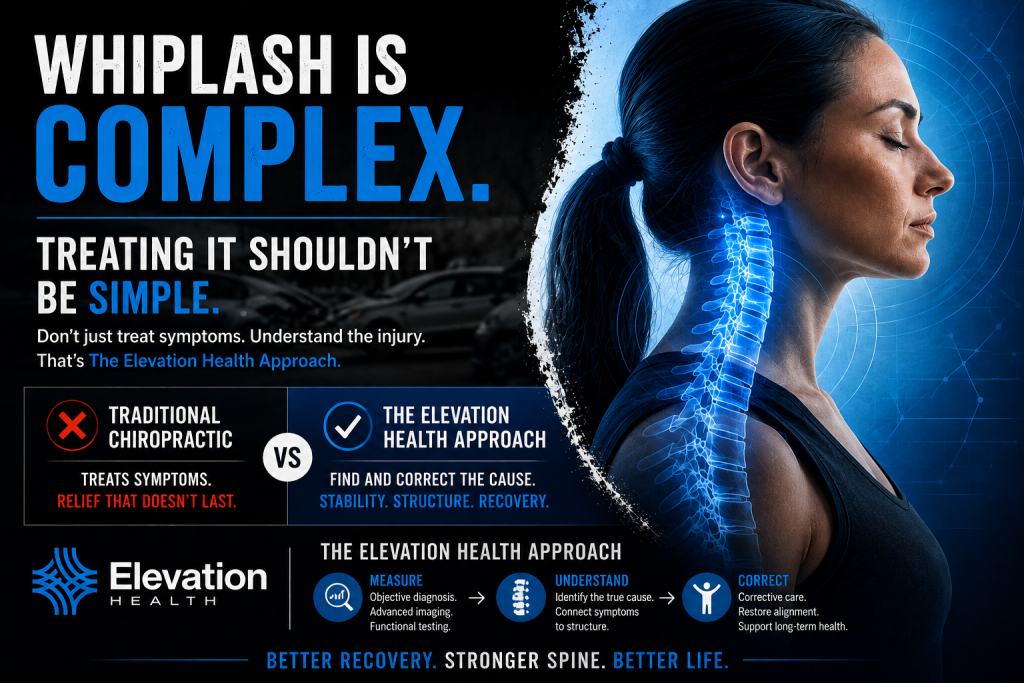
Whiplash after a car accident can involve more than muscle pain. Ligament injury, spinal instability, and altered alignment may require objective diagnosis and corrective care—not just temporary symptom relief.
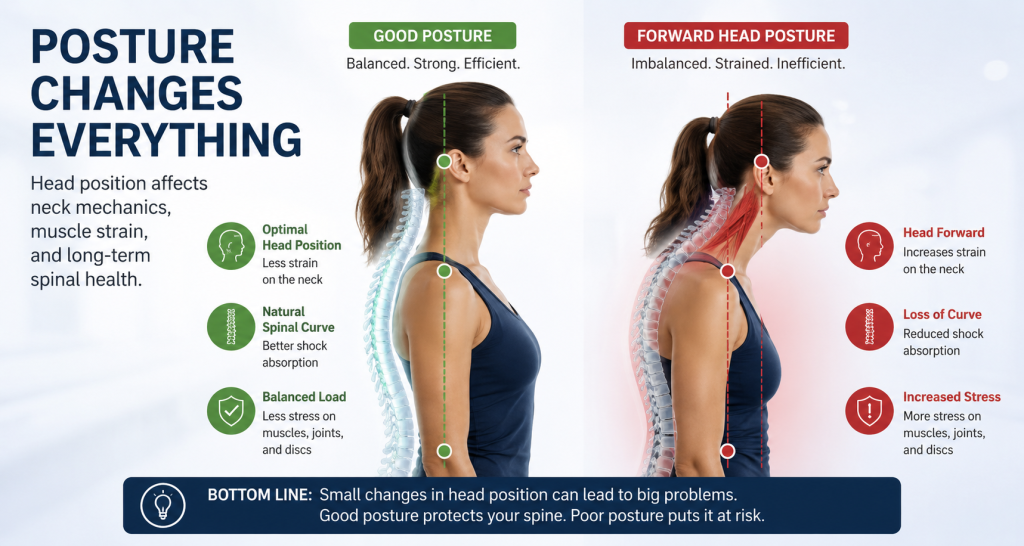
How Poor Posture Creates Chronic Pain—and How CBP Corrects It Poor posture is often dismissed as a cosmetic issue—something that simply affects how a person looks. In reality, posture is…
The Role of Digital X-Rays in Understanding Structural Spinal Problems When someone is dealing with ongoing neck or back pain—especially after being injured in a car accident—one of the most…
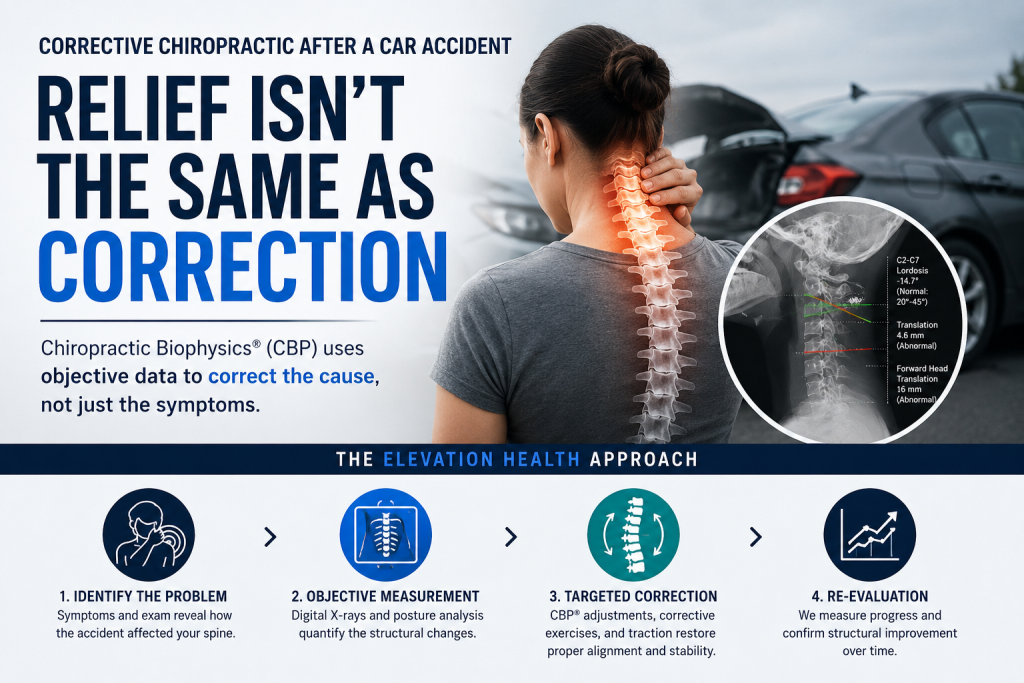
Learn how Chiropractic Biophysics (CBP) uses objective spinal measurements, corrective exercises, adjustments, and traction to provide corrective chiropractic after a car accident and address more than temporary pain relief.