Blog

The Elevation Health Approach: Objective Data, Measurable Outcomes

The Elevation Health Approach: Objective Data, Measurable Outcomes When it comes to spine and injury care—especially for patients who have been injured in a car accident—one of the biggest frustrations is uncertainty. Patients are often told they should feel better, that healing “takes time,” or that pain levels are subjective. At Elevation Health, the approach […]

The Elevation Health Approach: Objective Data, Measurable Outcomes Read More »
How Corrective Chiropractic Helps Prevent Future Degeneration

How Corrective Chiropractic Helps Prevent Future Degeneration Spinal degeneration is often viewed as an unavoidable part of aging. While time does play a role, degeneration is not random—it follows predictable mechanical patterns. Poor posture, abnormal spinal alignment, and unresolved injuries (especially after being injured in a car accident) dramatically accelerate the process. Corrective chiropractic care

How Corrective Chiropractic Helps Prevent Future Degeneration Read More »

When an MRI Is Needed After a Crash: A Doctor’s Perspective

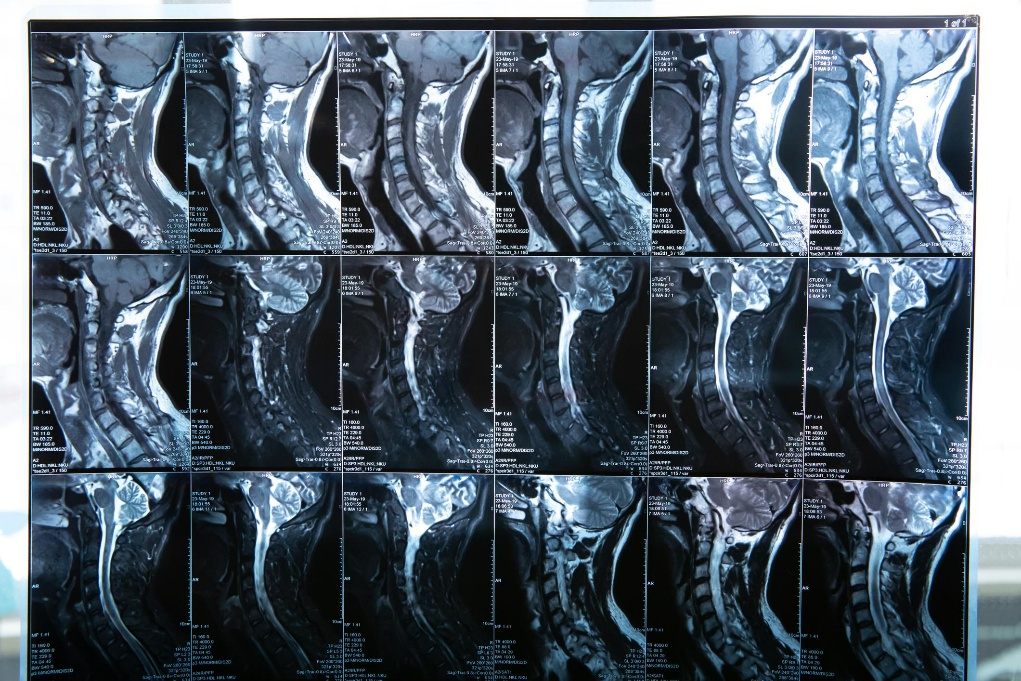
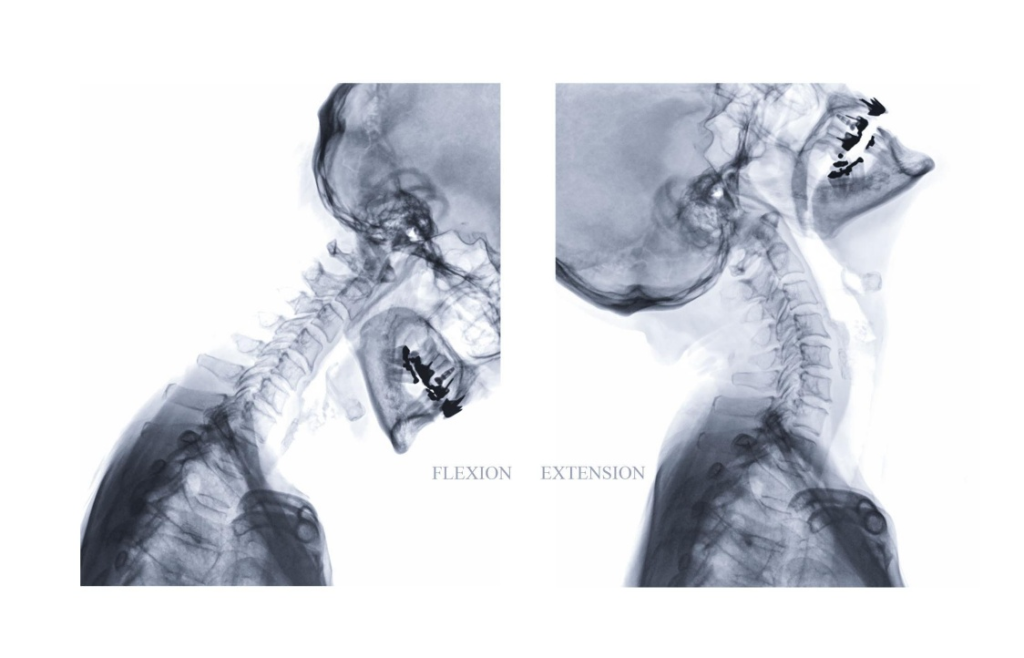
Understanding Ligament Injuries and the Need for Specialized MRI When patients continue to experience neck pain, headaches, dizziness, or instability after being injured in a car accident, the problem is often deeper than muscle strain or disc irritation. In many cases, the missing piece is ligament injury—and standard imaging is not always sufficient to identify

When an MRI Is Needed After a Crash: A Doctor’s Perspective Read More »

The Science Behind Spinal Alignment and Nervous System Function

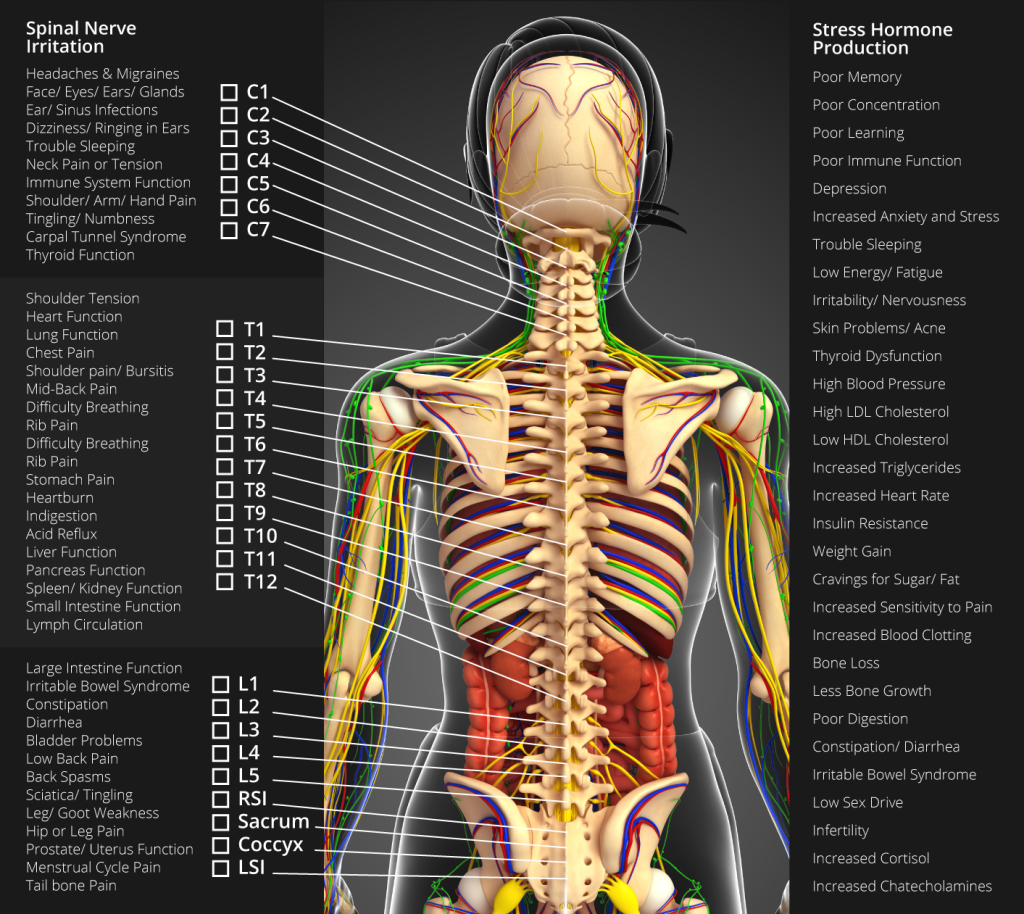
The Science Behind Spinal Alignment and Nervous System Function The spine does more than support the body—it protects and influences the nervous system, which controls every movement, sensation, and internal process. When spinal alignment is healthy, the nervous system operates under minimal mechanical stress. When alignment is compromised—especially after being injured in a car accident—that

The Science Behind Spinal Alignment and Nervous System Function Read More »

Why Whiplash Injuries Need More Than Traditional Chiropractic

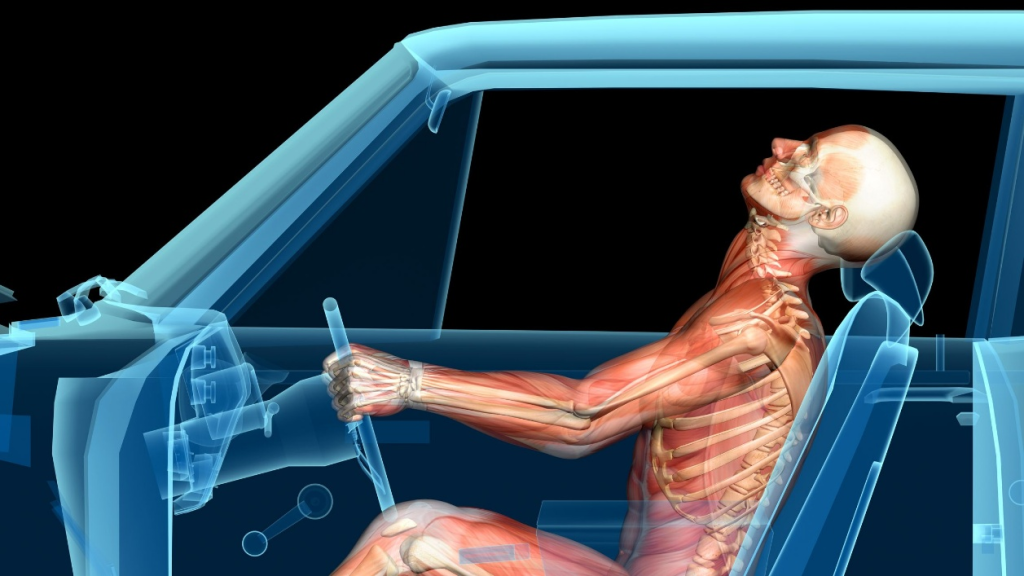
Why Whiplash Injuries Need More Than Traditional Chiropractic Whiplash injuries are among the most misunderstood and underestimated injuries following a car accident. Many people are told their pain will resolve with time, rest, or a few chiropractic adjustments. While some individuals do improve, a large number develop persistent neck pain, headaches, stiffness, or neurological symptoms that

Why Whiplash Injuries Need More Than Traditional Chiropractic Read More »

How Poor Posture Creates Chronic Pain—and How CBP Corrects It

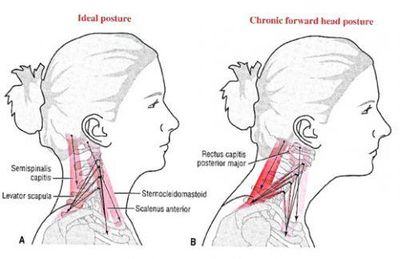
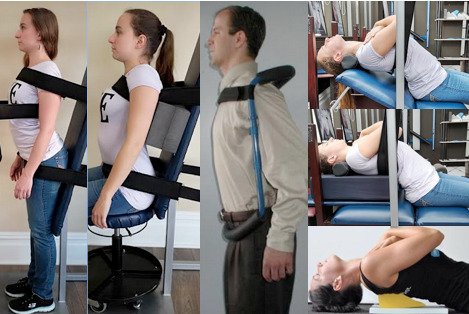
How Poor Posture Creates Chronic Pain—and How CBP Corrects It Poor posture is often dismissed as a cosmetic issue—something that simply affects how a person looks. In reality, posture is a biomechanical problem that plays a central role in chronic pain, especially for individuals who have been injured in a car accident. When posture changes, the

How Poor Posture Creates Chronic Pain—and How CBP Corrects It Read More »

The Role of Digital X‑Rays in Understanding Structural Spinal Problems

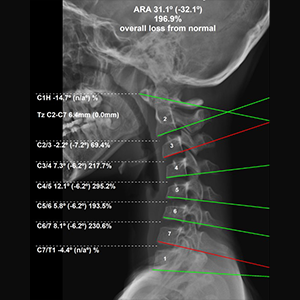
The Role of Digital X-Rays in Understanding Structural Spinal Problems When someone is dealing with ongoing neck or back pain—especially after being injured in a car accident—one of the most common questions is: “Why does it still hurt?” The answer is often structural, and that’s where digital X-rays play a critical role. Digital X-rays are not

The Role of Digital X‑Rays in Understanding Structural Spinal Problems Read More »

Why Chiropractic Biophysics Is the Gold Standard for Corrective Care

Why Chiropractic Biophysics Is the Gold Standard for Corrective Care Most people associate chiropractic care with short-term pain relief—an adjustment to loosen a stiff neck or calm a sore back. While symptom relief has value, it does not answer a critical question many patients face, especially after being injured in a car accident:Why did the

Why Chiropractic Biophysics Is the Gold Standard for Corrective Care Read More »