
Why Chiropractic Biophysics Is the Gold Standard for Corrective Care
Most people associate chiropractic care with short-term pain relief—an adjustment to loosen a stiff neck or calm a sore back. While symptom relief has value, it does not answer a critical question many patients face, especially after being injured in a car accident:
Why did the pain start, and why does it keep coming back?
Chiropractic Biophysics® (CBP) was developed to address that question using measurable biomechanics rather than opinion-based care. For patients dealing with chronic pain, posture-related problems, or lingering symptoms after a motor vehicle collision, CBP represents a fundamentally different—and more corrective—approach.
Structure Drives Function—Especially After Trauma
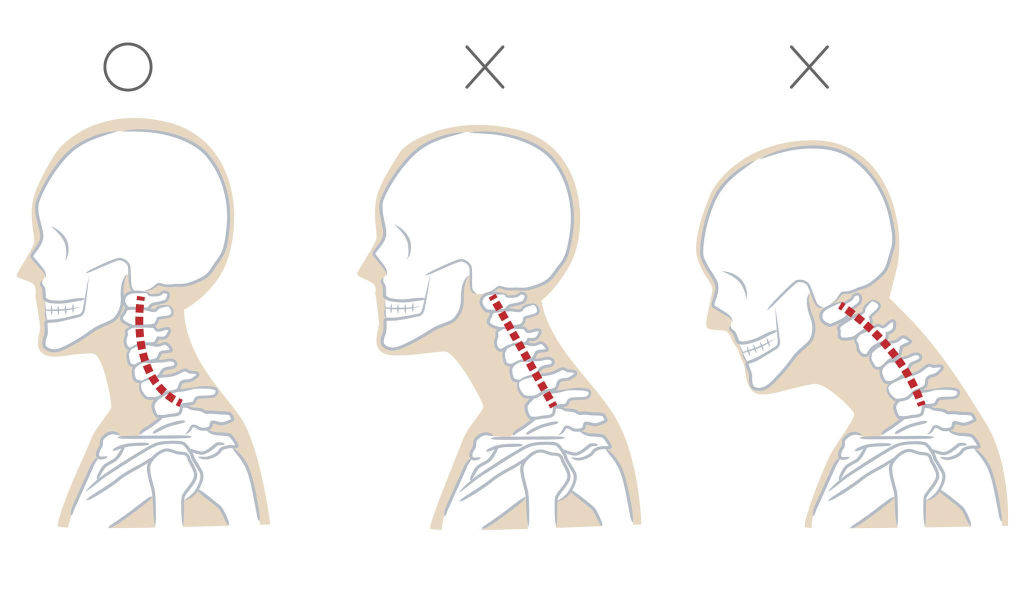
The spine is designed with specific curves that allow it to absorb force, distribute load evenly, and protect the nervous system. When those curves are altered, the spine no longer functions efficiently.
Car accidents are one of the most common causes of sudden structural change in the spine. Even low-speed collisions can produce rapid acceleration and deceleration forces that exceed what spinal ligaments and joints are designed to tolerate. This often results in:
- Forward head translation
- Loss of normal cervical or lumbar curves
- Abnormal joint spacing
- Ligament strain and instability
These changes may not always cause immediate severe pain, but they significantly increase mechanical stress over time.
For example, when the head shifts forward after a whiplash injury, the effective weight placed on the neck increases dramatically. A head that normally weighs about 10–12 pounds can place 40–60 pounds of force on the cervical spine. This accelerates joint wear, disc stress, muscle fatigue, and nerve irritation.
Why Pain Relief Alone Is Not Enough After a Car Accident
Traditional chiropractic care often focuses on restoring motion and reducing inflammation. While this can be helpful early on, it may fall short for patients injured in car accidents because mobility does not equal stability or alignment.
If post-traumatic alignment changes are not corrected:
- Muscles remain in a constant state of compensation
- Injured ligaments are repeatedly stressed
- Symptoms tend to return when care stops
- Degenerative changes may develop earlier than expected
CBP care addresses this by focusing on structural correction, not just symptom suppression.
Objective Measurements, Not Guesswork
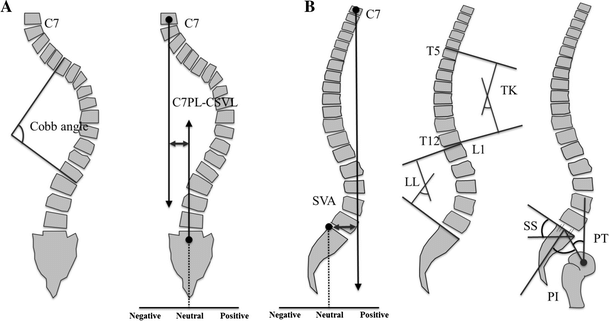
One of the defining features of CBP is its reliance on objective data. Digital spinal X-rays are used to precisely measure spinal alignment, posture, and curve integrity. These measurements are compared to established biomechanical models of normal spinal structure.
This is particularly important after a car accident, where subtle alignment changes may not be detected through physical exam alone. CBP analysis can identify:
- Loss of cervical or lumbar lordosis
- Abnormal head or torso translation
- Segmental stress patterns related to trauma
These findings guide a targeted corrective plan and establish a clear baseline for tracking improvement.
Corrective Care vs. Symptom-Based Care
Symptom-based care focuses on reducing pain signals. Corrective care focuses on reducing the mechanical stress that generates those signals.
CBP uses a combination of:
- Precise spinal adjustments
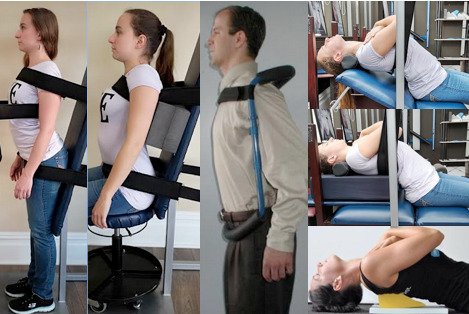
- Mirror-image corrective exercises
- Spinal traction designed to remodel posture and spinal curves over time
This approach is often compared to orthodontics. Just as braces gradually reshape teeth, CBP traction applies sustained, controlled forces to retrain the spine toward healthier alignment. This is especially valuable for patients recovering from whiplash or other collision-related injuries, where the spine has been mechanically altered.
As structure improves, patients commonly report:
- Fewer flare-ups
- Improved endurance
- Reduced headache frequency
- Greater confidence in daily movement
Long-Term Protection Against Degeneration
Degeneration does not occur suddenly—it develops when abnormal forces act on joints and discs over long periods. Trauma from a car accident can accelerate this process if alignment is not restored.
Corrective chiropractic care aims to normalize spinal loading, helping reduce the risk of early arthritis, disc degeneration, and chronic instability. For accident-injured patients, this can make the difference between full recovery and long-term limitations.
The Elevation Health Difference
At Elevation Health, CBP is not a buzzword—it is the clinical framework guiding care, particularly for patients injured in motor vehicle collisions.
Every corrective plan is built on:
- Objective spinal measurements
- Trauma-aware biomechanics
- Clear treatment goals
- Periodic re-evaluation to confirm structural change
Patients are educated throughout the process so they understand not only what is being done, but why it matters for their long-term recovery.
Who Benefits Most from CBP?
CBP is especially beneficial for individuals who:
- Were injured in a car accident and still have symptoms
- Experience chronic neck or back pain
- Have recurring headaches or postural strain
- Have tried traditional chiropractic without lasting results
- Want correction, not indefinite maintenance care
Corrective care requires commitment, but for many patients—particularly those recovering from trauma—it provides a path toward lasting improvement.
Raising the Standard of Care
Chiropractic Biophysics stands apart because it treats the spine as a biomechanical system, not just a source of pain. By prioritizing structure, objective data, and measurable outcomes, CBP offers a higher standard of care—especially for patients injured in car accidents.
Pain relief is important.
Structural correction is what changes the future.